
One minute you're making a cuppa. The next, the kettle's gone quiet, the lights are out and someone's yelling, "Who turned the power off?"
Sound familiar? Before you start blaming the kids, the dog or the questionable electrical skills of whoever renovated the house back in 1993, there's probably a good reason your power has tripped. And while it's tempting to flick the switch back on and carry on with your day, a tripping circuit isn't something to ignore.
At Cowley Electrical Services, electrical fault finding is part of our everyday work across Batemans Bay, Moruya, Narooma and the wider Eurobodalla. From faulty appliances to moisture getting into outdoor fittings, we've seen plenty of reasons for a home to suddenly go dark.
Here's what's likely going on, what you can safely check yourself and when it's time to call in your local sparky.
First Things First: Why Does Your Power Keep Tripping?
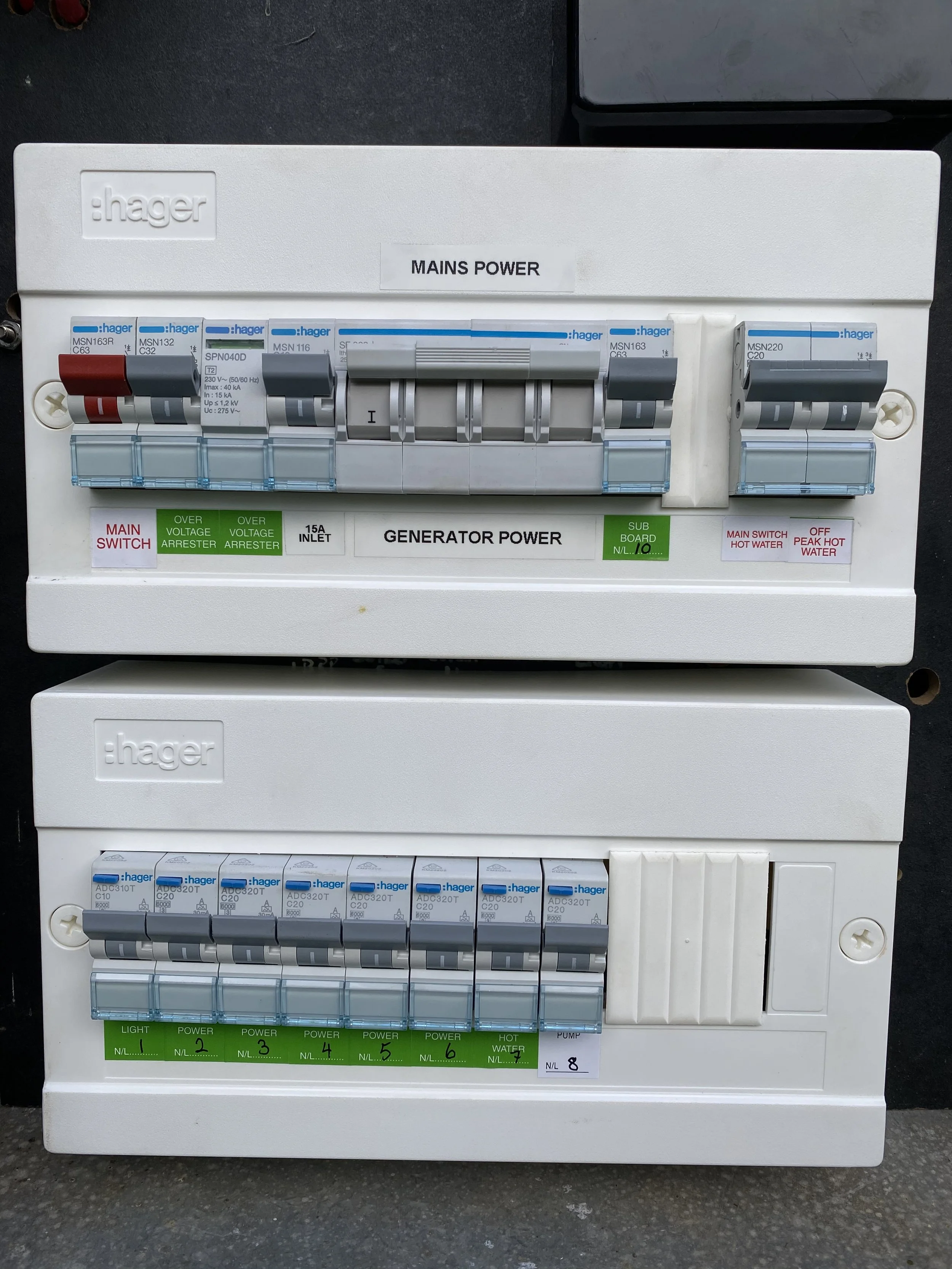
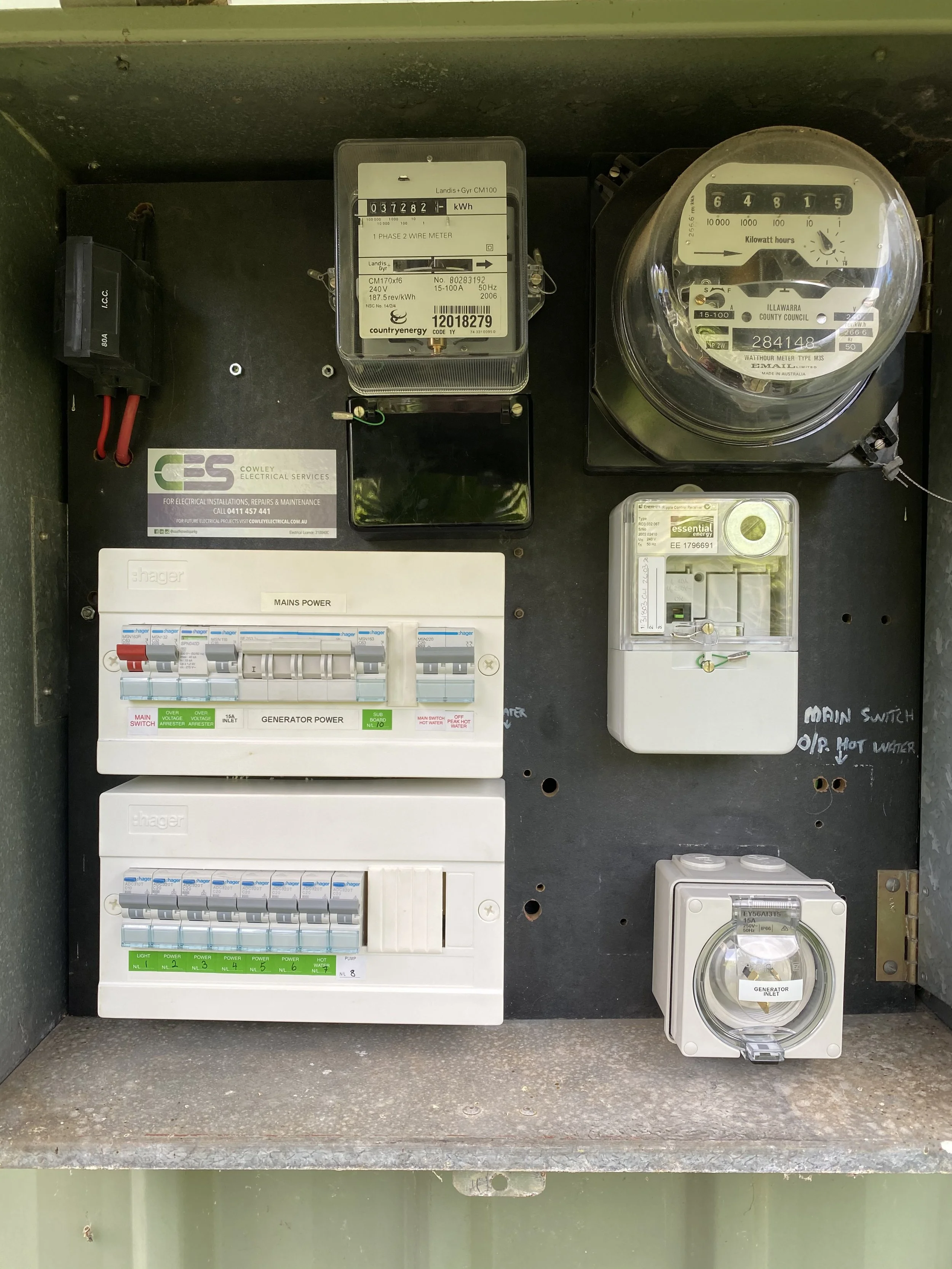
Your home's electrical system has protective devices designed to disconnect the power when something isn't right. Think of them as the sensible friend who calls time on a party before things get out of hand.
There are a few common culprits.
1. You've Got Too Much Going On
The kettle's boiling, the toaster's working overtime, someone's making a smoothie with the blender and the air fryer is cooking dinner. Your kitchen might be operating like a small commercial café, but your electrical circuit isn't necessarily designed for it.
When too many appliances draw power from the same circuit, it can become overloaded. The circuit breaker trips to protect the wiring from overheating.
The giveaway: Your power trips when several high-powered appliances are running at once.
Our advice: Spread the electrical load across suitable circuits and avoid overloading power points or power boards. If it keeps happening, have an electrician assess whether your circuits are suitable for how you're using them.
And no, swapping the circuit breaker for a bigger one isn't the answer. That's a job for an electrician to assess, not a shortcut around the problem.
2. One of Your Appliances Is Having a Meltdown
Sometimes the problem isn't your house. It's the appliance.
Fridges, washing machines, dishwashers, ovens and even that trusty old bar fridge in the shed can develop electrical faults. An appliance might work perfectly for years before deciding it's had enough.
The giveaway: Your power trips whenever a particular appliance starts or reaches a certain stage of its cycle.
Our advice: Stop using the suspected appliance and have it checked. If it's safe to unplug, disconnect it from the power.
Don't keep plugging it back in to see whether it trips again. We understand the curiosity, but your safety switch has already made its feelings pretty clear.
3. Water Has Found Its Way Into Something Electrical
Ah, life on the South Coast. Beautiful beaches, salty air, summer storms and the occasional sideways rain. Great for the garden. Not always so great for outdoor electrical fittings.
Moisture can get into outdoor power points, garden lighting, junction boxes and other electrical equipment. When this creates an electrical leakage fault, your safety switch may trip. Coastal conditions can also contribute to corrosion and deterioration over time, particularly where electrical fittings are exposed to the elements.
The giveaway: Your power trips during or after heavy rain, when outdoor lights are switched on or when equipment in the shed is being used.
Our advice: Don't open fittings, touch wet electrical equipment or try to dry anything out yourself. Leave the affected circuit off and have a licensed electrician investigate.
If your outdoor lights are causing more drama than a toddler after a Slushie, it's time to get them checked.
4. Your Wiring Has Seen Better Days
Not all electrical faults are obvious. Behind the walls and above the ceiling, wiring can become damaged through age, heat, pests, moisture or physical impact.
Rodents are particularly good at making themselves comfortable in roof spaces, and we’ve seen some ant infested power outlets recently too. Unfortunately, they don't always respect the electrical installation.
Chewed cables, deteriorating insulation and damaged connections can create serious electrical hazards.
The giveaway: Repeated tripping with no obvious appliance causing it, flickering lights or other unexplained electrical problems.
Our advice: Don't try to investigate wiring yourself. Electrical testing and repairs need to be carried out by a licensed electrician.
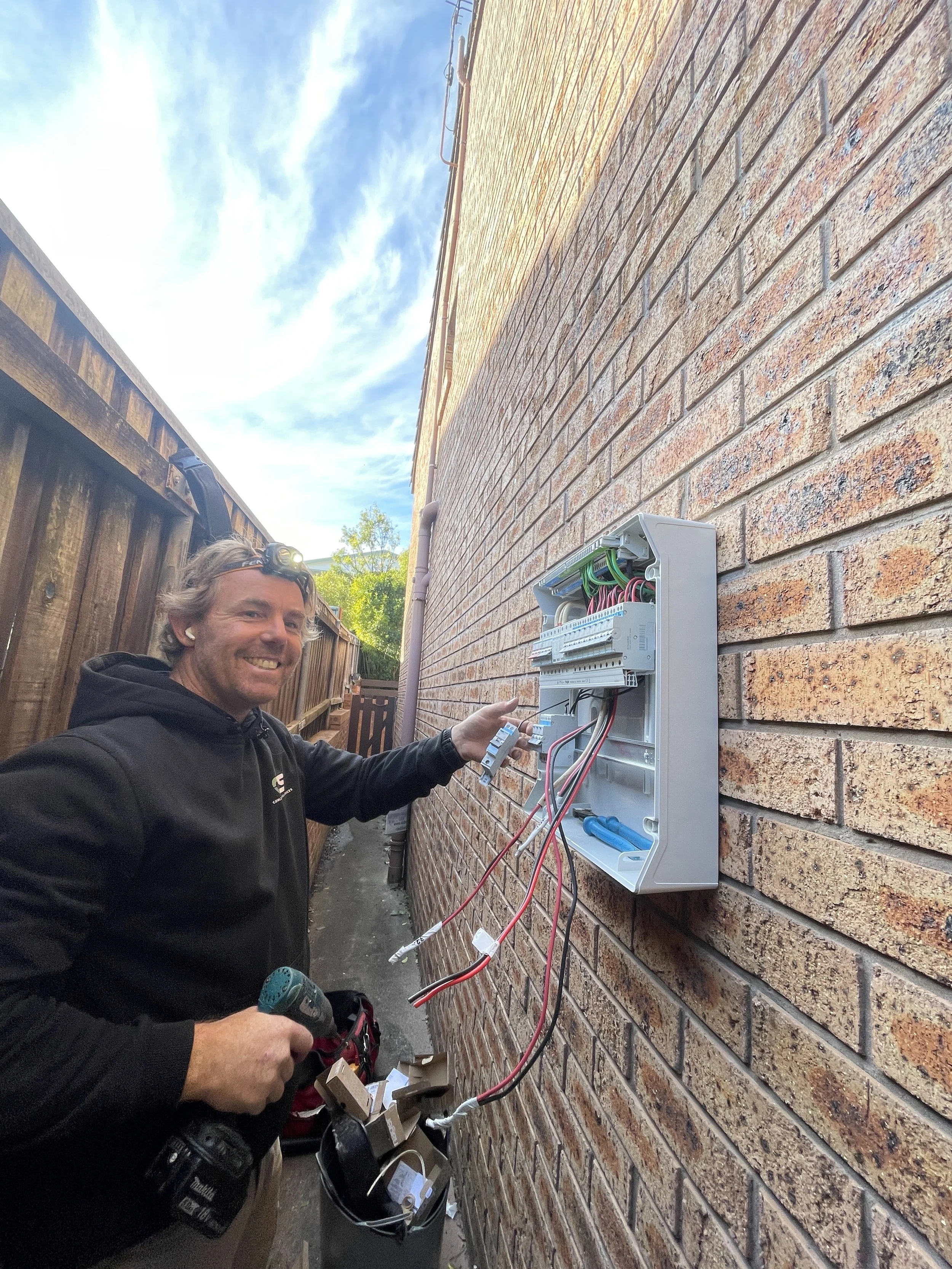
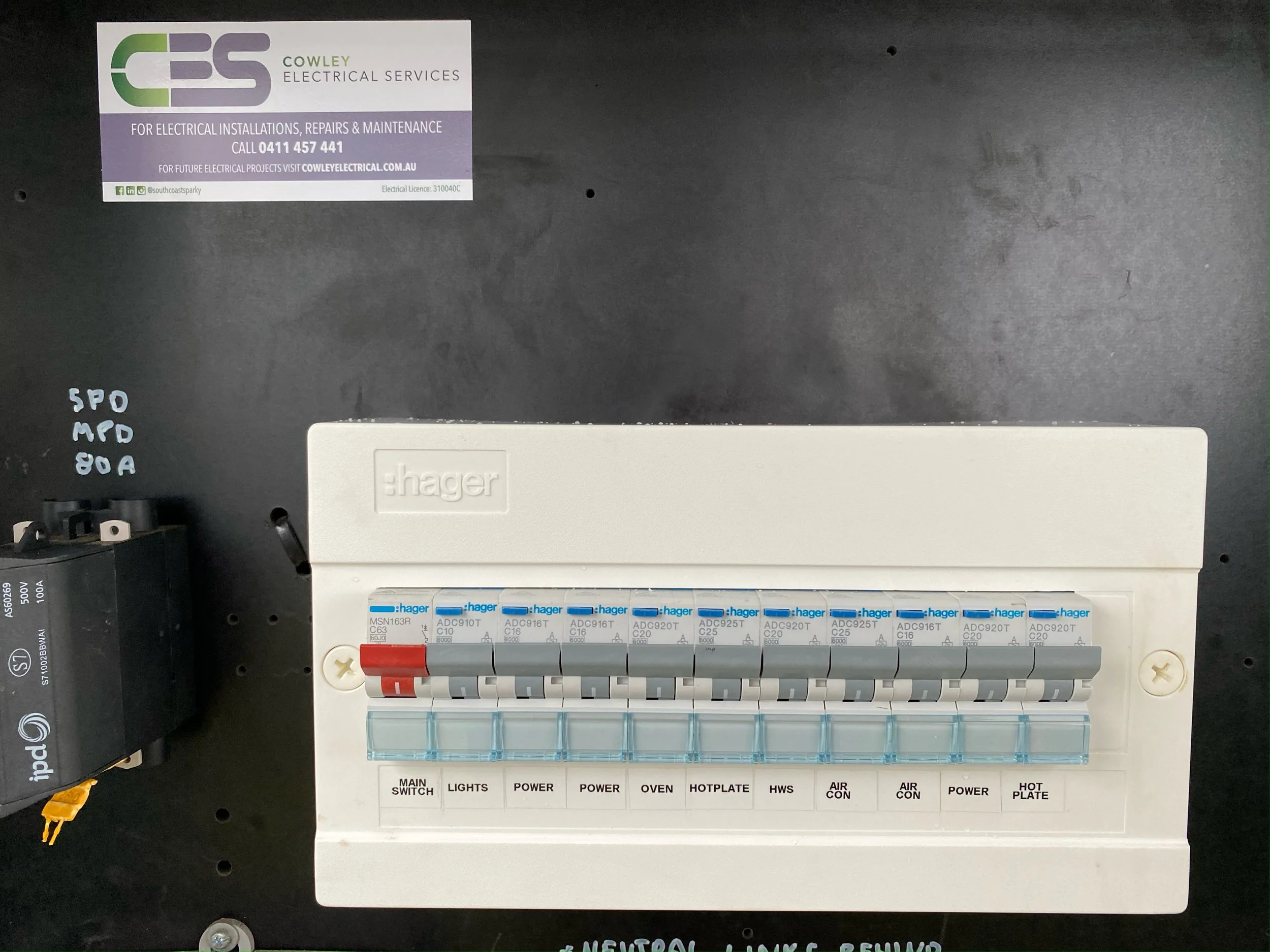
5. Your Switchboard Is Due for Some Attention
If your switchboard still has old ceramic fuses, there's a fair chance it's been around longer than Uncle Macca's favourite motorbike story. And while old doesn't automatically mean unsafe, electrical installations need to be maintained and suitable for the demands placed on them.
Modern homes use electricity differently from homes built 30 or 40 years ago.
Air conditioning, induction cooktops, home offices, pool equipment, solar systems and EV chargers all change how we use power.
Older switchboards may have limited safety switch protection, ageing components or circuits that need attention.
The giveaway: Frequent electrical problems, old ceramic fuses, limited safety switches or circuits that regularly overload.
Our advice: Have your switchboard inspected by a licensed electrician. Sometimes a repair is all that's needed. Other times, a switchboard upgrade is the safer and more practical long-term solution.
We're not here to sell you a new switchboard if you don't need one.
Safety Switch vs Circuit Breaker: What's the Difference?
They're both sitting in your switchboard, but they have different jobs.
A circuit breaker protects your electrical wiring. It disconnects the power when a circuit is overloaded or a short circuit occurs.
A safety switch, also called an RCD, helps protect people from electric shock. It detects certain electrical leakage faults and disconnects the supply very quickly.
Many modern switchboards use RCBOs, which combine both functions in one device.
So when someone says, "The safety switch keeps tripping," the first thing we want to know is which switch is actually turning off. It gives us a useful clue about what might be happening. And if you're not sure which is which? No worries. That's what we're here for.
What Can You Safely Check Before Calling an Electrician?
Not every power outage needs an electrician. Sometimes there's a network outage affecting the neighbourhood. Other times, a faulty appliance may be the culprit.
There are a few things you can check without getting into electrical work.
1. See whether the neighbours have power.
If half the street is in darkness, the problem might be with the electricity network rather than your home.
Check your electricity distributor's outage information before assuming something has gone wrong with your wiring.
2. Take a look at your switchboard.
If it's safe and dry to approach, check whether a circuit breaker or safety switch is in the off or tripped position.
Don't remove any covers, touch exposed wiring or investigate damaged equipment.
3. Think about what was happening when the power went off.
Did someone switch on the heater? Was the dishwasher running? Did the outdoor lights come on just as the rain started?
These details can help narrow down the problem.
4. Switch off and unplug portable appliances where safe.
If you suspect an appliance, stop using it. Only disconnect equipment if it's safe to do so.
Don't touch damaged plugs, wet appliances or anything showing signs of overheating.
5. Don't keep resetting a switch that trips.
If there's no sign of danger and the cause is understood, an accessible protective switch may be reset in accordance with its instructions.
But if it trips again, won't reset or you don't know why it operated, leave it off and call a licensed electrician.
Important: If you notice smoke, sparks, burning smells, electrical buzzing or signs of overheating, don't attempt a reset. Keep clear of the affected equipment and seek urgent assistance. Call 000 if there's a fire or immediate danger.
Why Does My Safety Switch Keep Tripping When It Rains?
This is one we particularly want South Coast homeowners to understand. When your power trips during heavy rain, it's tempting to blame the weather and wait for everything to dry out. But a recurring wet-weather electrical fault isn't normal, and waiting for the sun to come out doesn't fix the underlying problem.
Water may be entering an outdoor fitting, damaging insulation or creating an electrical leakage path.
Sometimes the fault only appears under particular conditions, which can make it tricky to identify.
A licensed electrician can test the affected circuits and equipment to help locate the problem.
So if your power trips every time the heavens opens over, don't just add it to the list of things your house does when it rains. Get it checked.
How Do Electricians Find an Electrical Fault?
Electrical fault finding is a bit like detective work. Except instead of looking for fingerprints, we're looking for electrical faults. And instead of a magnifying glass, we've got specialised testing equipment.
Some faults are straightforward. Others are intermittent and only appear when certain appliances operate or particular conditions occur.
Our electricians work through the problem methodically, which may involve:
Inspecting the switchboard and protective devices.
Testing affected electrical circuits.
Checking for insulation faults and earth leakage.
Investigating damaged wiring, fittings or connections.
Identifying appliances or equipment contributing to the problem.
Once we identify the cause, we explain what we've found, what needs fixing and the options available.
Sometimes it's a simple repair. Sometimes the problem is more involved.
The important thing is finding the actual fault rather than just getting the power back on and hoping for the best. Because nobody wants to pay for the same problem twice.
When Should You Call an Electrician?
A tripping circuit isn't necessarily a major electrical disaster, but it's not something to ignore either.
Give your local electrician a call if:
Your safety switch or circuit breaker keeps tripping.
The power won't stay on.
Your power trips whenever it rains.
An appliance repeatedly causes a circuit to trip.
Lights flicker or power cuts in and out unexpectedly.
Your switchboard has old fuses or you're unsure about its safety.
You notice damaged power points, switches or electrical fittings.
And if you've ever received a tingle or electric shock from an appliance or fitting, stop using it immediately and seek appropriate medical advice. Don't dismiss even a mild shock.
Electrical Fault Finding in Batemans Bay, Moruya, Narooma and Beyond
From older beach shacks and holiday rentals to modern family homes, shops, sheds, factories and commercial premises, electrical faults don't discriminate.
At Cowley Electrical Services, we're a local, family-run electrical business helping homeowners, businesses and property managers across the Eurobodalla get to the bottom of electrical problems.
We know the South Coast, we understand the challenges of coastal conditions, and we're not interested in quick fixes that leave you dealing with the same problem next week.
Our approach is straightforward: investigate the fault, explain what's happening and recommend a safe, practical solution.
Power keeps tripping? Don't wait for your switchboard to throw another tantrum.
Give the Cowley Electrical Services team a call on 0411 457 441 or get in touch through our online contact form.
We'll help you work out what's going on.
When Did You Last Test Your Safety Switch?
Never tested your safety switch? You're probably not the only one.
Just like smoke alarms, safety switches need regular testing to make sure they're working. NSW Government guidance recommends testing them regularly, with some resources advising every three months.
The good news? It's a simple check you can do yourself.
Let everyone at home know the power is about to go off.
Make sure it's safe to interrupt power to your appliances and equipment.
Find the button marked 'T' or 'Test' on your safety switch.
Press it. The switch should trip and disconnect power to the circuits it protects.
Check that those circuits have lost power, then reset the switch.
If the switch doesn't trip, the power stays on to the circuits it's supposed to protect, or the switch won't reset, call a licensed electrician.
One important thing: The test button checks that the safety switch operates, but it doesn't replace proper electrical testing by a licensed electrician.
And if you can't remember the last time you tested yours, perhaps add it to the calendar alongside changing the smoke alarm batteries. Much less exciting than a weekend at the beach, but considerably more useful when something goes wrong.