
Rental Property Electrical Maintenance: From Our Side of the Switchboard
From mystery electrical faults and ageing switchboards to smoke alarms and preventative maintenance, here's our take on keeping rental properties safe and maintenance running smoothly.
Property management is a juggling act. Tenants, landlords, maintenance requests, budgets, inspections and the occasional Friday afternoon surprise. And that's before an electrical fault decides to join the party.
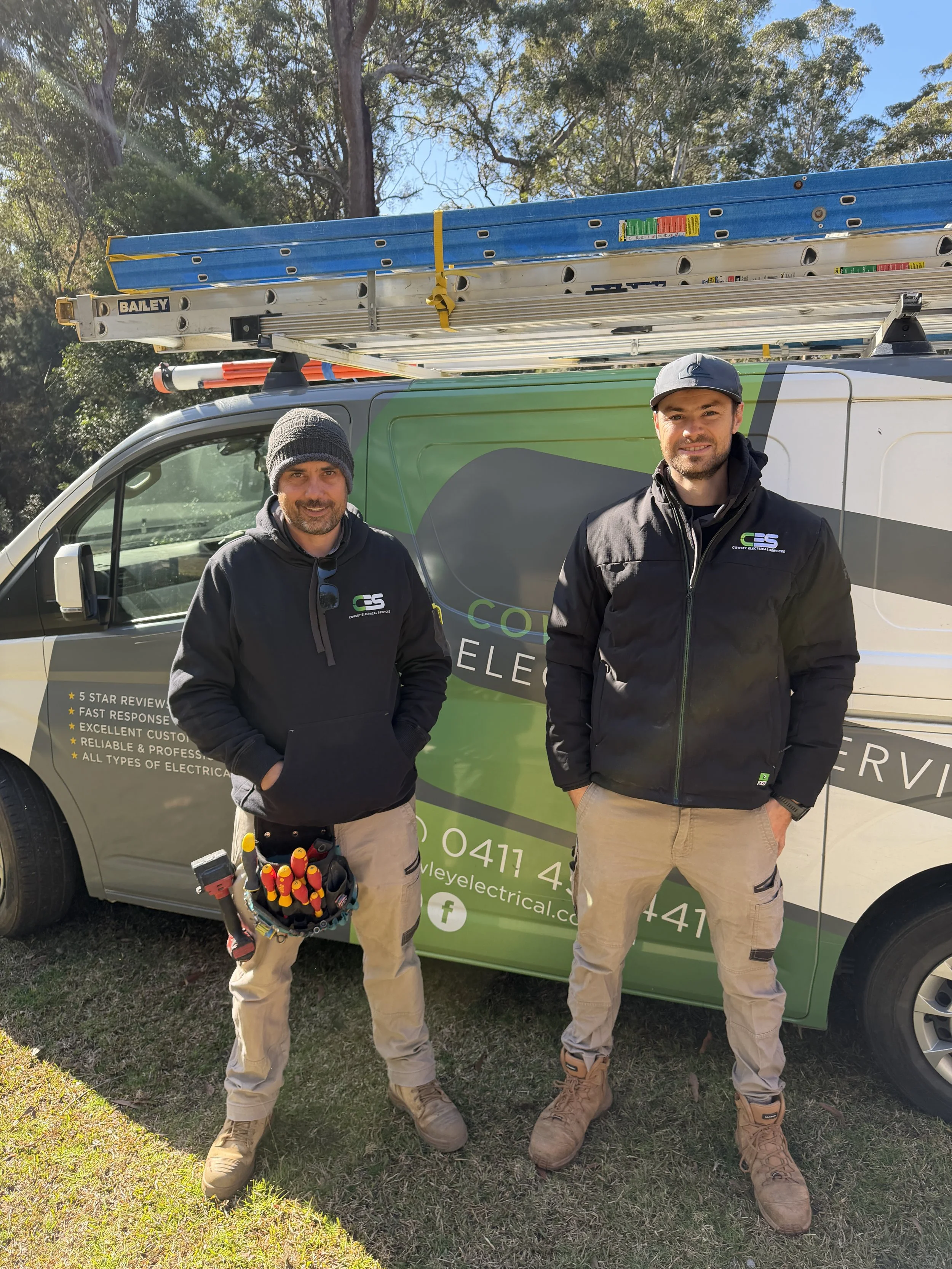
At Cowley Electrical Services, we work with property managers, real estate agencies and landlords across Batemans Bay, Moruya, Narooma and the wider Eurobodalla. We're not property managers, and we don't pretend to be. But we do know our way around a switchboard, and we've seen firsthand how much difference a reliable electrical contractor can make.
Our job is to diagnose faults, carry out safe, compliant electrical work and communicate clearly with the people involved. Preferably without creating another five phone calls for the property manager. So, from our side of the switchboard, here are some of the electrical issues we encounter in rental properties, what we look for and why good maintenance is about more than fixing what's broken.
1. Electrical faults aren't always what they seem
"The power point isn't working."
"The lights keep flickering."
"The safety switch keeps tripping."
Sound familiar?
Electrical maintenance requests often start with a fairly simple description. Finding the actual problem, however, can be another story.
A tripping safety switch might be caused by a faulty appliance, moisture getting into an outdoor fitting or a fault somewhere in the wiring. Flickering lights might be relatively straightforward to fix, or they could indicate a loose electrical connection that needs prompt attention.
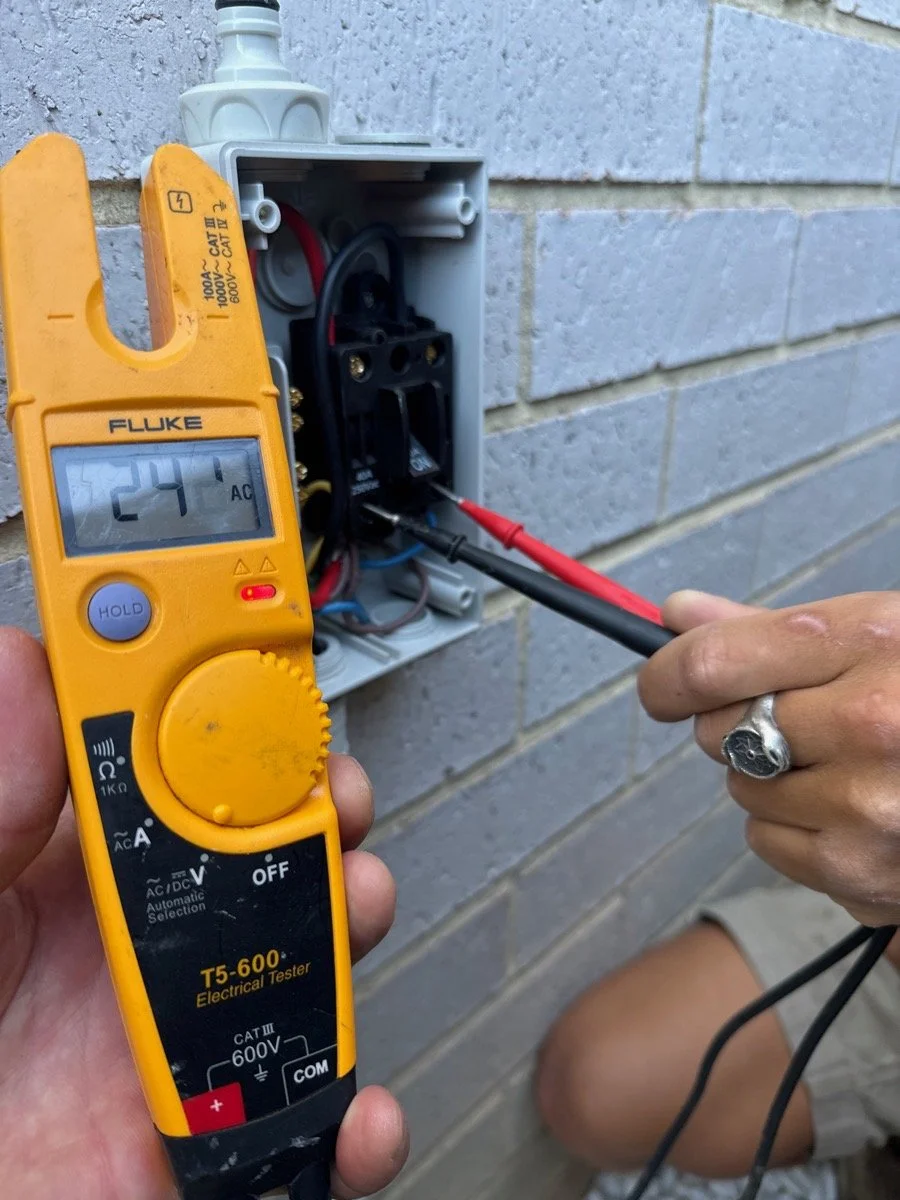
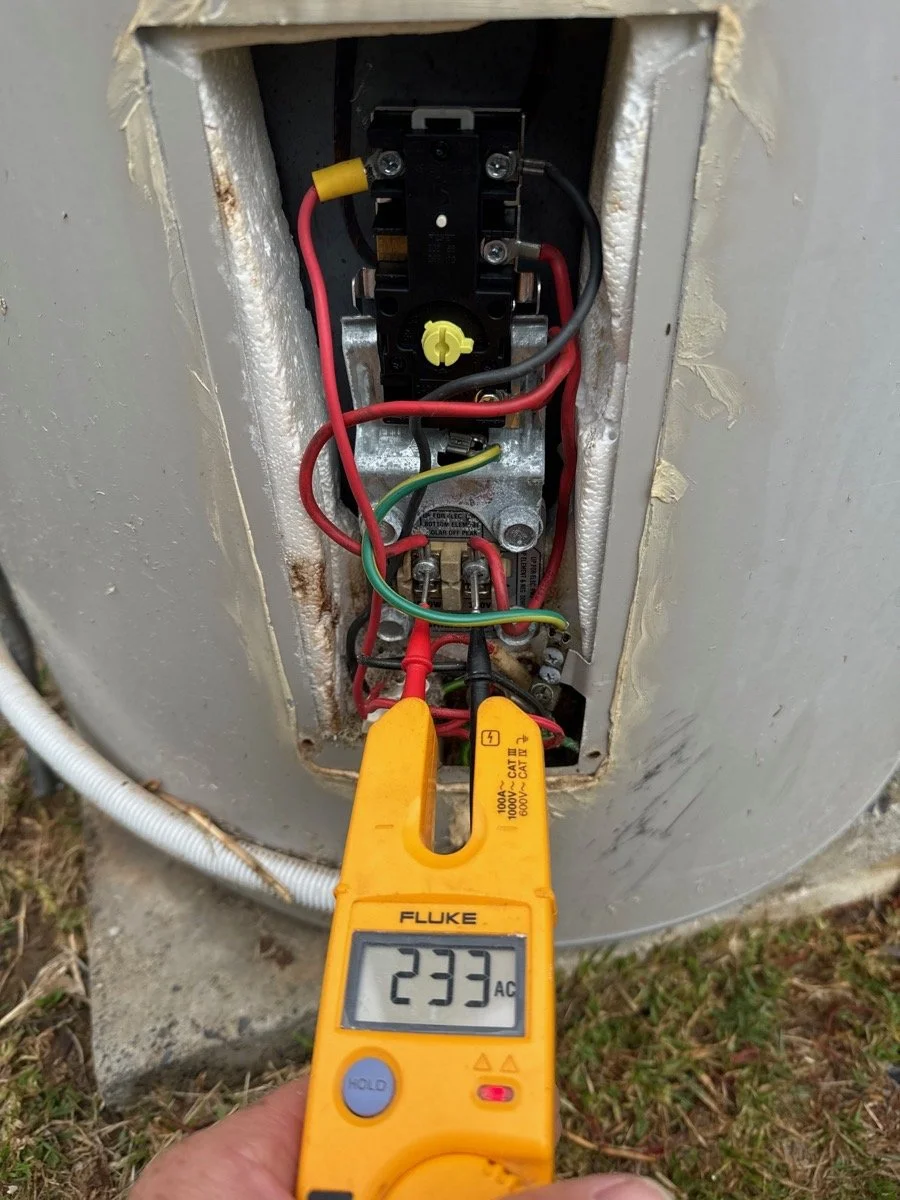
That's where proper fault finding comes in. Rather than guessing, replacing parts unnecessarily or assuming the worst, we investigate the problem, identify the cause and recommend an appropriate solution.
Some electrical warning signs that need prompt attention include:
Sparking, smoking or overheating power points
Burning smells or discoloured switches
Exposed or damaged wiring
Safety switches that repeatedly trip or won't reset
Electrical faults affecting essential services
Under NSW rental property requirements, electrical faults need prompt attention. Dangerous electrical faults and failures of electricity supply are specifically identified as urgent repairs under residential tenancy legislation.
If there's an immediate electrical danger, the priority is keeping people safe. Affected equipment shouldn't be used, and the appropriate emergency assistance should be arranged.
From our perspective, the important thing is finding out what's actually wrong rather than simply treating the symptoms. Because electrical faults have an annoying habit of not fixing themselves, no matter how long they're left on the maintenance list.
2. Smoke alarms and safety switches: small devices, big responsibilities
They're hardly the most glamorous features of a rental property. Nobody's choosing a home because of its impressive collection of safety switches. But these devices play an important role in protecting tenants and properties.
Smoke alarms
In NSW rental properties, smoke alarms must be installed, maintained and replaced in accordance with applicable requirements.
Some of the key obligations include:
Smoke alarms must be checked at least annually to ensure they're working.
Removable batteries generally require annual replacement, with different requirements for certain long-life batteries.
Smoke alarms must be replaced within 10 years of manufacture, or earlier if specified by the manufacturer.
Faulty smoke alarms must be repaired or replaced within two business days of the landlord becoming aware they're not working.
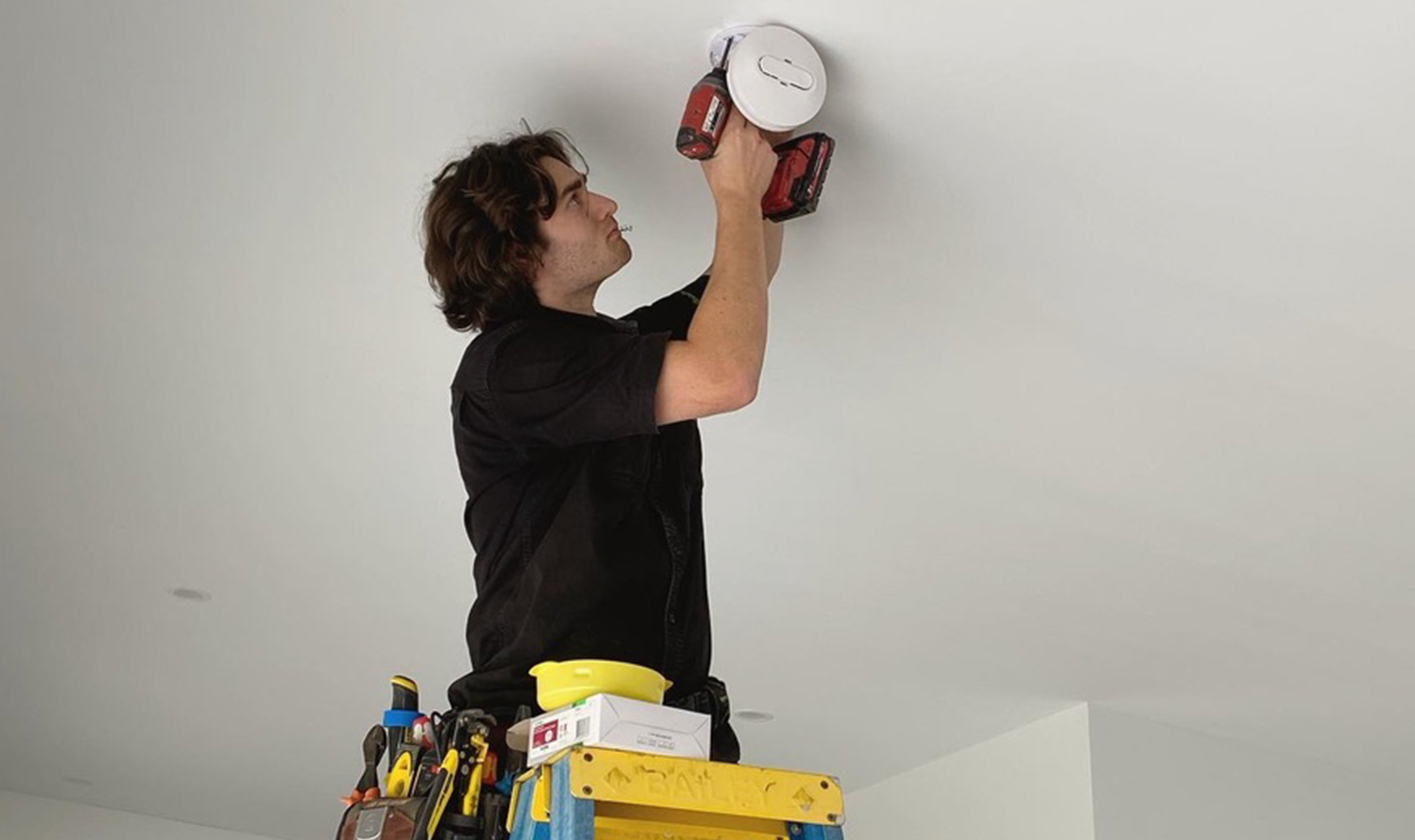
Hardwired smoke alarm repairs and replacements must be carried out by a licensed electrician.
Different arrangements can apply to some strata properties.
From an electrician's perspective, replacing a smoke alarm isn't always as simple as swapping one unit for another. Wiring, compatibility, positioning and the condition of existing equipment can all come into play.
A straightforward replacement is straightforward. But when something isn't right, it's worth getting to the bottom of it.
Safety switches
Safety switches, also known as Residual Current Devices (RCDs), are designed to disconnect electricity quickly when certain faults occur, reducing the risk of serious electric shock.
But here's something we regularly explain: having a safety switch in the switchboard doesn't necessarily mean every circuit is protected.
Older switchboards may have limited RCD protection, and an installed safety switch isn't necessarily a working one.
NSW Government guidance recommends testing safety switches every six months. At the beginning of a tenancy, the property condition report also records whether a safety switch is present and working. Testing is the way to confirm that it operates.
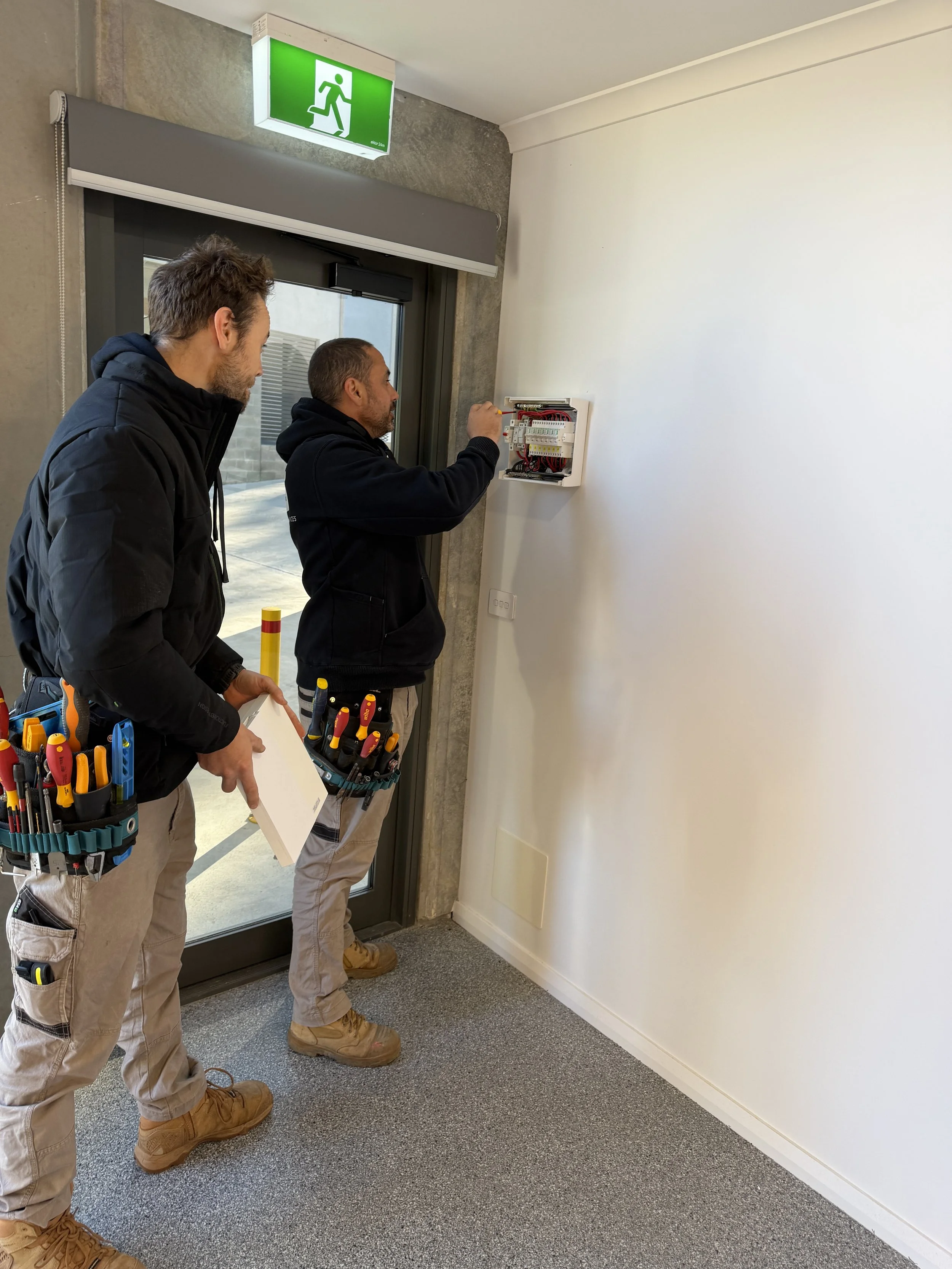
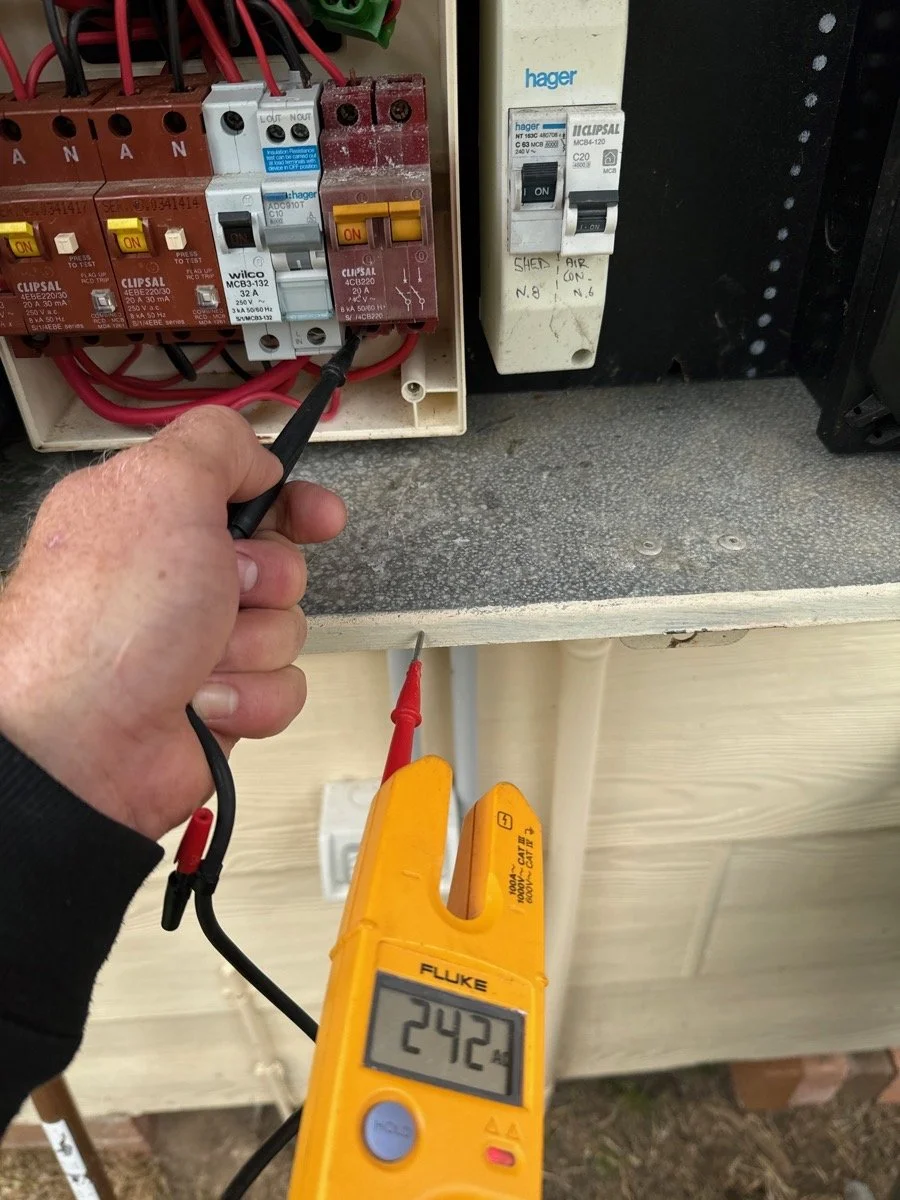
For older installations, we can assess the switchboard, test protective devices and identify any concerns that need attention. And no, that doesn't automatically mean recommending a whole new switchboard. If a repair is sufficient, we'll say so. If an upgrade is warranted or required for compliance, we'll explain why and what it involves.
3. Older homes, salt air and the occasional electrical surprise
One thing we know about working across the Eurobodalla is that no two properties are quite the same. From older weatherboard cottages in Bodalla and Moruya and coastal holiday homes around Broulee to established homes in Batemans Bay and Narooma, there's plenty of character in our local housing stock.
Sometimes the electrical installations have just as much character as the houses themselves. We've come across a few interesting DIY efforts over the years. The sort of thing Uncle Macca might proudly describe as "a bit of bush engineering", while we're left scratching our heads wondering what the original plan was.
Older wiring and switchboards weren't necessarily designed with today's electrical demands in mind. Air conditioning, induction cooking, home offices and EV chargers can all place different demands on an electrical installation.
Then there's the South Coast environment. Salt-laden air, moisture and corrosion can be particularly hard on outdoor lighting, power points, switchboards and other exposed electrical equipment.
Some signs we look out for include:
Frequent circuit breaker or safety switch trips
Damaged or deteriorating power points and switches
Corrosion or moisture around electrical fittings
Repeated lighting and power faults
Ageing or visibly deteriorating switchboards
Not every older property needs a major electrical overhaul. Sometimes a targeted repair or replacement is all that's required.
And while NSW doesn't impose a blanket requirement for comprehensive annual electrical inspections of every standard residential rental property, preventative inspections can be worthwhile, particularly for older properties or those experiencing recurring faults.
In our experience, understanding the condition of an electrical installation helps make maintenance decisions more informed and less reactive.
Which is generally preferable to discovering a problem at 4pm on a Friday, just as everyone's packing up for the weekend. Even Uncle Macca would struggle to talk his way out of that one.
4. Good electrical maintenance is about more than fixing faults
Here's something we've learnt working with property managers: doing a good job on the tools is only part of the job. There's a tenant living in the property, a landlord responsible for the asset and a property manager coordinating the whole process. A successful maintenance job needs to work for all three.
For us, that means turning up when arranged, treating tenants and their homes with respect, keeping communication straightforward and explaining what we've found. Sometimes the issue is resolved on the first visit. Other times, further investigation, materials or landlord approval for additional work is needed. Either way, property managers need clear information so they can keep things moving.
We aim to explain electrical faults in plain English, provide practical recommendations and supply relevant documentation, including Certificates of Compliance for Electrical Work (CCEW) where required.
Good communication shouldn't be an optional extra. Because a good tradie shouldn't create more work for the person who booked them. And while we can't promise that every electrical fault is an easy fix, we can promise to approach it properly and keep you informed.
5. Why preventative maintenance is worth the conversation
Electrical maintenance is often reactive. Something stops working, a tenant reports it and an electrician is called. That's part of looking after rental properties, and there's no avoiding it entirely. But there are times when a more preventative approach makes sense.
A property with recurring electrical faults, an ageing switchboard or outdoor fittings exposed to coastal conditions may benefit from a closer look before the next problem develops. An electrical inspection can help identify deterioration, assess protective devices and highlight issues that may need attention now or in the future. It can also give landlords and property managers better information when planning maintenance or considering upgrades.
We don't believe in recommending unnecessary work. Not every old switchboard needs replacing, and not every flickering light is a major electrical drama.
The value is in understanding what's going on, identifying genuine risks and making informed decisions. That's where having an electrician who knows the local housing stock and conditions can make a difference.
6. A local electrician in your corner
Cowley Electrical Services is a family-owned electrical business based in Moruya, working across Batemans Bay, Narooma and the surrounding Eurobodalla.
We support local property managers, real estate agencies, strata managers and landlords with:
Electrical repairs and fault finding
Switchboard inspections, repairs and upgrades
Safety switch testing and repairs
Smoke alarm installation, replacement and repairs
Lighting, power points and electrical appliance connections
Electrical safety inspections and testing
Ongoing property and strata electrical maintenance
We're licensed and insured, and our team takes pride in doing quality work, communicating clearly and looking after the people and properties we're trusted with.
We're also local. We live and work in the communities we service, and we're here for the follow-up, not just the initial job.
Whether it's a one-off repair or ongoing maintenance across a portfolio, our aim is simple: make the electrical side of property management one less thing to worry about.
Need a reliable local electrician for your rental properties?
If you're looking for a local electrical contractor who understands the demands of rental property maintenance, we'd welcome the opportunity to work with your agency or help look after your investment property.
-
NSW Fair Trading identifies electrical faults as requiring urgent attention. Dangerous electrical faults, failures of electricity supply and faults that make a property unsafe are among the issues covered by urgent repair provisions.
Examples include sparking power points, exposed live wiring, burning smells and faulty safety switches.
If there's an immediate danger, affected electrical equipment shouldn't be used and appropriate emergency assistance should be arranged.
-
NSW Government guidance recommends testing safety switches every six months.
A working safety switch also needs to be confirmed at the beginning of a tenancy as part of the property condition report.
If a safety switch won't reset, fails to operate during testing or repeatedly trips, a licensed electrician should investigate.
-
No. There isn't a blanket NSW requirement for every standard residential rental property to have a comprehensive electrical safety inspection each year.
However, landlords must maintain properties in a reasonable state of repair and ensure they meet applicable safety requirements.
For older homes, properties exposed to coastal conditions or those experiencing recurring electrical faults, a professional inspection can be a sensible way to identify potential problems.
-
Yes, although age alone doesn't necessarily mean a switchboard needs replacing.
Older switchboards may have limited safety switch protection, deteriorating components or insufficient capacity for the property's electrical requirements.
An electrician can assess the installation and explain whether repairs, additional protection or an upgrade are appropriate.
-
Yes. We work with property managers, real estate agencies and landlords throughout the Eurobodalla, assisting with electrical repairs, fault finding, safety switch testing, smoke alarm work and general maintenance.
We understand the importance of coordinating tenant access, communicating clearly and providing practical information when additional work or landlord approval is required.
Whether you're managing one property or an entire portfolio, we're happy to discuss your electrical maintenance needs.
Useful NSW Government Resources
NSW Fair Trading — Electrical Safety in a Rental Property
NSW Fair Trading — Smoke Alarms in a Rental Property
NSW Fair Trading — Urgent Repairs in Residential Rental Properties
Building Commission NSW — Electrical Compliance Requirements
Building Commission NSW — When to Submit a CCEW
Building Commission NSW — Electrical Standards, Rules and Notes
This article provides general information about NSW rental property electrical safety as at November 2026. Requirements vary depending on the property and circumstances. Refer to NSW Fair Trading for specific tenancy obligations. Electrical work and technical safety assessments should be undertaken by appropriately licensed professionals.